
Commercial Waterproofing NYC
Commercial waterproofing in NYC for parking garages, plaza decks, large roofs, and below-grade spaces. We plan the work around your tenants and operations, provide the paperwork your managers need, and install systems built for heavy use.
- Garages, Plaza Decks & Roofs
- COIs & Phased Scheduling
- Licensed & Insured
What Is Commercial Waterproofing?
Commercial waterproofing is waterproofing for the parts of larger buildings that take the most water and the most traffic, including parking garage decks, plazas over occupied space, big flat roofs, amenity terraces, and below-grade levels. The systems are heavier-duty than residential work, like traffic coatings that stand up to cars and road salt, and membranes buried under pavers, soil, or concrete toppings.
What really sets commercial work apart is everything around the waterproofing. Tenants, customers, and cars still need to use the building. Boards and managers need clear scopes, insurance certificates, and schedules. And in NYC, parking garages and other structures come with their own inspection programs. A commercial waterproofing contractor has to deliver a watertight system while keeping the building running.
Commercial Waterproofing in NYC for Property Managers and Owners
We work with the people responsible for larger buildings, and plan every job around how their property actually operates.
Property Managers
Clear scopes, schedules, and updates across one building or a whole portfolio.
Co-op & Condo Boards
Board-ready proposals, COIs, and notices for residents before work begins.
Owners & General Contractors
Waterproofing for new construction and major repairs, built to the project’s drawings.
Commercial Waterproofing Projects We Handle in NYC
Parking Garages
Traffic coatings and joint systems that protect garage decks from water, salt, and wear.
Plaza Decks
Membranes under pavers, planters, and hardscape over occupied space below.
Commercial Roofs
Large flat roofs waterproofed with minimal disruption. See roof waterproofing.
Amenity Terraces
Shared terraces and roof decks over apartments and offices. See terrace waterproofing.
Below-Grade Spaces
Cellars, elevator pits, and below-grade levels. See foundation waterproofing.
Why Commercial Buildings in NYC Leak
Commercial leaks tend to come from the same few pressures that larger buildings face every day.
Traffic & Road Salt
Cars carry salt and water onto garage decks, wearing down coatings and corroding the steel inside the concrete.
Water Trapped Under Plazas
Pavers, soil, and planters hold water against the membrane below, so any weak spot leaks into the space underneath.
Failed Movement Joints
Expansion joints in decks and roofs flex constantly, and once they fail, water runs straight through.
Commercial Waterproofing Systems We Install
Each part of a commercial building gets a system designed for the load and exposure it faces.
Traffic Coatings
Durable, skid-resistant coatings for parking decks and ramps.
Heavy-Duty Membranes
Sheet and hot-applied membranes for plazas, roofs, and below-grade walls.
Expansion Joint Systems
Watertight joints that move with the structure without leaking.
How We Run Commercial Waterproofing Projects
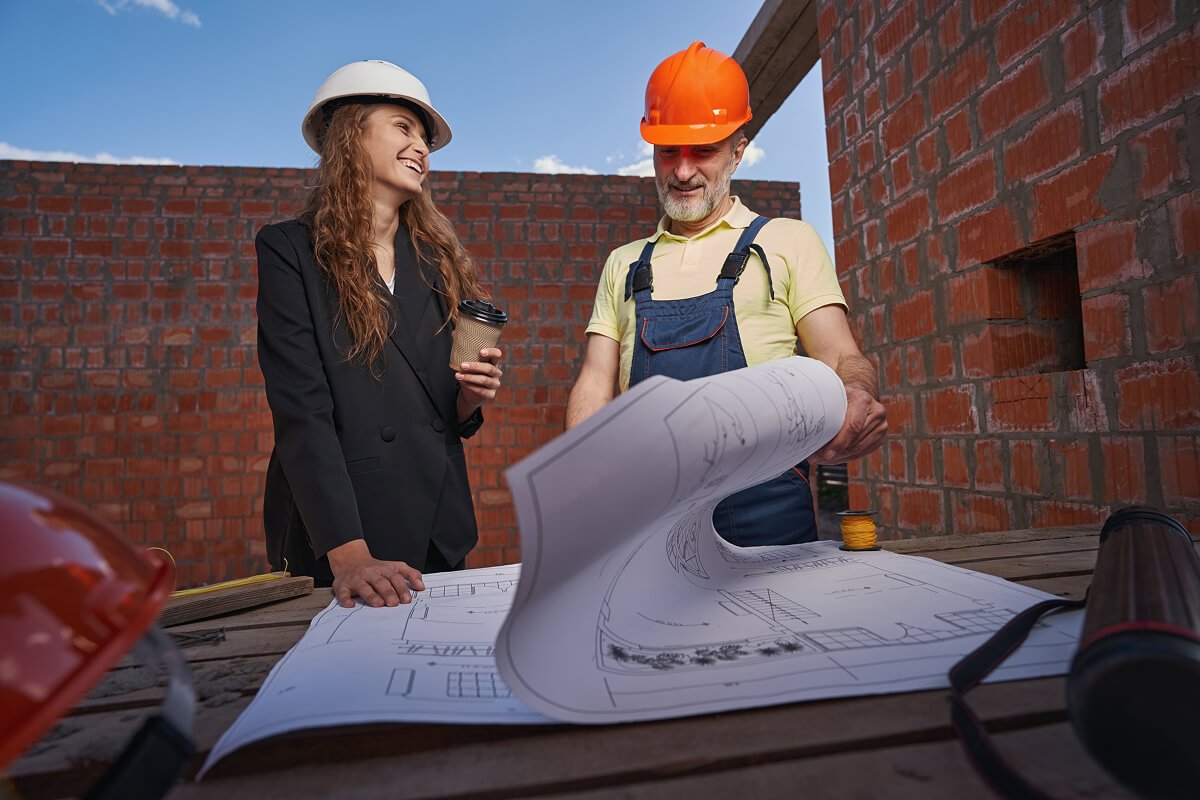
Commercial waterproofing succeeds or fails in the planning, long before the first coat goes down.
-
Survey & Scope
We inspect the areas, review any engineer's reports, and deliver a written scope and schedule for approval.
-
Phasing & Protection
Work is broken into sections so the building stays in use, with areas protected and signed.
-
Install, Test & Close-Out
Systems are installed and tested where appropriate, and photos and records are provided for your files.
Parking Garage Inspections
Under Local Law 126, parking structures are inspected at least every six years by a Qualified Parking Structure Inspector, and repairs flagged in the report become the owner’s responsibility.
Tenants, Customers & the Public
Work near entrances, sidewalks, and occupied spaces needs protection, clear signage, and sometimes City permits.
NYC Considerations for Commercial Waterproofing
Larger NYC buildings come with inspection programs and public spaces that shape the work.
What Affects Commercial Waterproofing Cost in NYC
Commercial waterproofing is priced from a site survey, since every building has its own mix of areas and constraints.
Project Area
The square footage of decks, roofs, or walls.
System Type
Traffic coatings, membranes, or joint systems.
Overburden Removal
Pavers, soil, or toppings that come off first.
Expansion Joints
The length and type of joints to replace.
Phasing & Off-Hours Work
Keeping the building open while work continues.
Access & Hoisting
Getting crews and materials to roofs and decks.
Commercial Waterproofing Projects in NYC



Why Managers and Boards Choose Us for Commercial Waterproofing
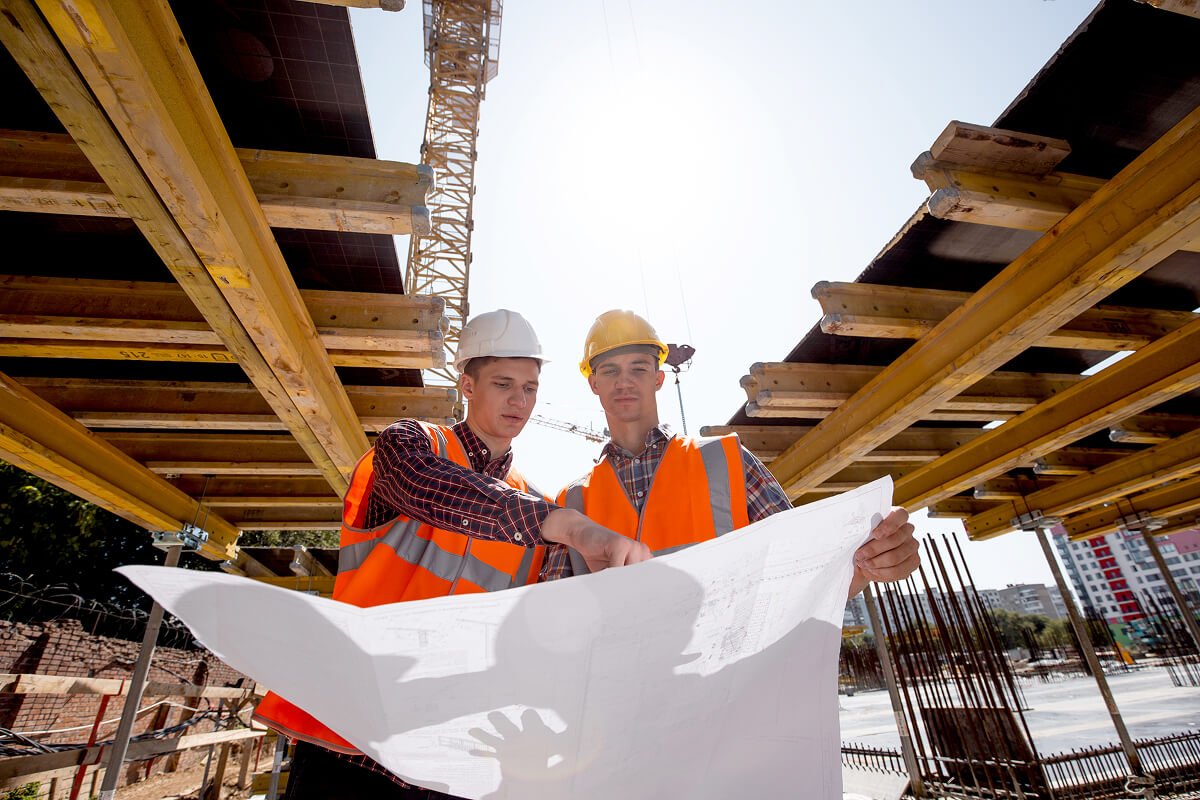
For a busy building, a waterproofing job has to fix the leak without creating new problems for tenants, residents, or the people who manage them.
Paperwork Ready
COIs, scopes, and schedules prepared upfront.
Building Stays Open
Work phased so spaces remain usable.
One Contractor, Many Systems
Garages, plazas, roofs, and below-grade in one team.
Records for Engineers
Photos and documentation for inspectors and files.
What Managers and Owners Say About Our Commercial Waterproofing
Commercial Waterproofing Across NYC & Westchester
We waterproof garages, plazas, roofs, and commercial spaces throughout four NYC boroughs and Westchester County.
Manhattan
Plazas, garages, and roofs on large buildings.
Brooklyn
New developments and mixed-use buildings.
Queens
Garden complexes, garages, and commercial corridors.
Bronx
Large residential complexes and parking structures.
Westchester
Office parks, garages, and multi-family buildings.
Commercial Waterproofing FAQs
It covers waterproofing for the high-use areas of larger buildings, including parking garages, plaza decks, big flat roofs, amenity terraces, and below-grade spaces. Each area gets a system designed for its traffic and exposure.
Under Local Law 126, a Qualified Parking Structure Inspector assesses the garage at least every six years and rates it Safe, SREM, or Unsafe. Water and salt getting into the concrete are major causes of the damage these inspections find, so protecting the deck with a traffic coating and sound joints helps keep garages in better condition.
Usually, yes. The deck is done in sections, so parts of the garage stay open while others are closed off for work and curing. We plan the phasing with you before we start.
It's a durable, waterproof coating applied over a concrete parking deck. It seals the surface against water and road salt and adds a wearing layer that stands up to tires and turning cars.
Plaza leaks are hidden under pavers, soil, or concrete, so we start by tracing where water shows up below. Testing sections of the deck, and removing overburden where needed, helps pinpoint the failed area before repairs.
Yes. We provide COIs to owners, managing agents, and general contractors, and can add additional insureds when your management agreement or lease requires it.
Yes. We install systems to the engineer's specifications and fit our work into the GC's schedule, whether it's a repair program or new construction.